
Why Garage Door Springs Matter
Garage door springs are the unsung heroes of your garage door system. These crucial components bear the weight of the door, making it easy to open and close. Most garage doors utilize either extension springs or torsion springs, and understanding their function is key to their maintenance. Properly maintained springs not only enhance the performance of your garage door but also ensure your safety and prevent costly repairs down the line.
Types of Garage Door Springs
Torsion Springs
Torsion springs are typically mounted above the garage door and are wound tightly to create tension. They are more durable and provide a smoother operation than extension springs. However, they can be dangerous if not handled correctly, as they are under significant tension.
Extension Springs
Located on either side of the garage door tracks, extension springs stretch and contract to lift the door. They are generally easier to replace but have a shorter lifespan than torsion springs.
Signs You Need Garage Door Spring Maintenance
Being proactive about garage door spring maintenance is essential. Here are some signs that indicate your springs may need attention:
- Door is hesitant to open: If your garage door struggles to lift, the springs may have lost their tension.
- Unusual noises: Listen for squeaking or popping sounds, which can indicate worn springs.
- Uneven door movement: If one side of the door rises slower than the other, your springs may be out of balance.
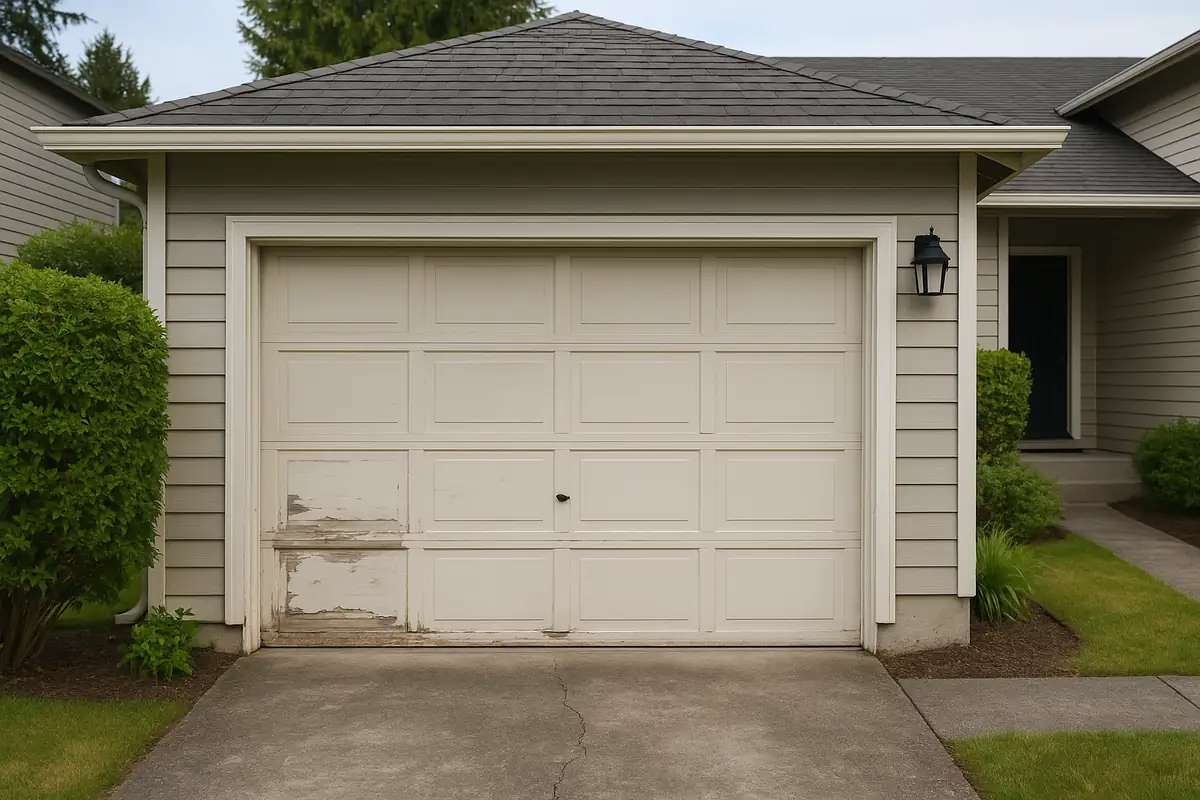
- Visible wear or damage: Inspect the springs for gaps, cracks, or rust.
Maintenance Tips for Your Garage Door Springs
1. Regular Inspections
Inspect your garage door springs at least twice a year. Look for signs of wear and tear, and listen for unusual noises during operation.
2. Lubricate the Springs
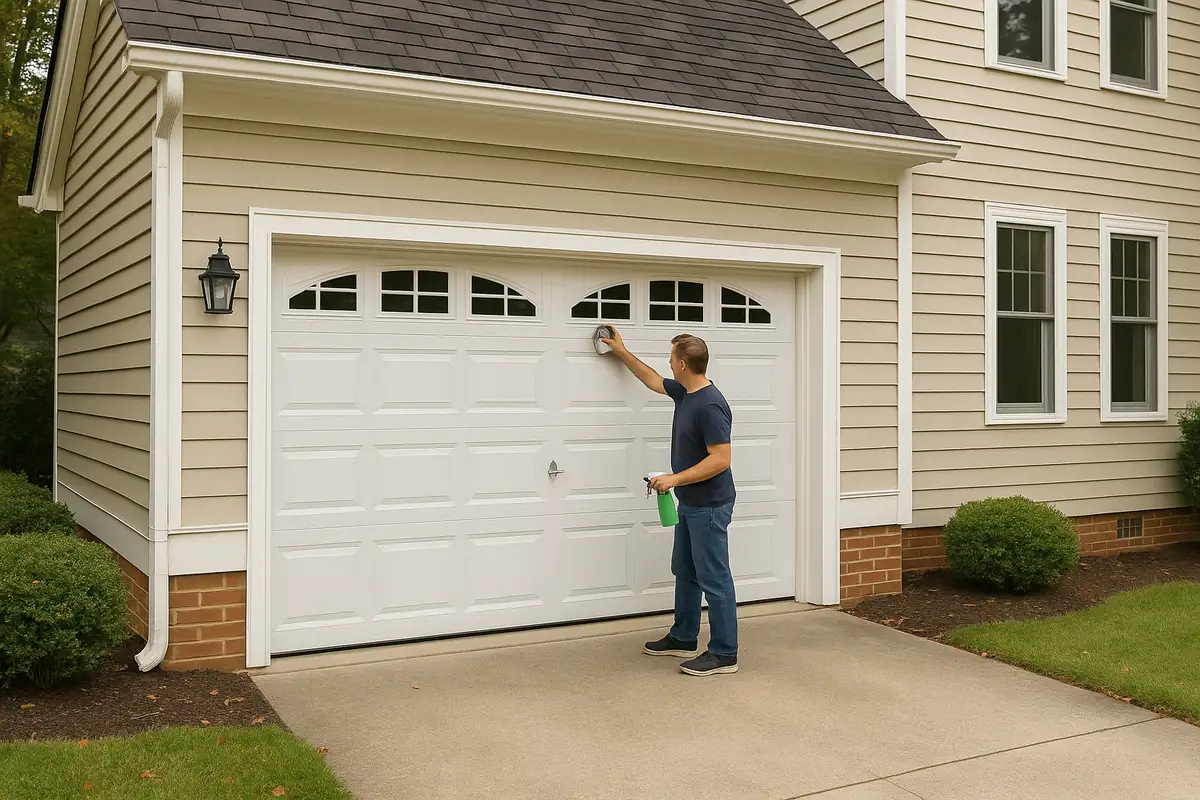
Use a silicone-based lubricant to grease the springs. This reduces friction and can prolong their lifespan. Avoid using WD-40, as it can attract dust and grime.
3. Monitor Door Balance
To check if your garage door is balanced, disconnect the opener and manually lift the door halfway. If it doesn't stay in place, your springs may need adjustment.
4. Professional Maintenance
While DIY maintenance can be helpful, consider hiring a professional like California Garage Door Repair for a thorough inspection and any necessary repairs. This ensures the job is done safely and correctly.
Statistics on Garage Door Springs
Did you know that over 70% of garage door repairs are related to spring issues? Maintaining your springs not only prevents unexpected repairs but could save you upwards of $200 in potential replacement costs.
When to Replace Your Garage Door Springs
Even with proper maintenance, garage door springs will eventually wear out. Here are some indicators that it’s time for a replacement:
- Age: Most springs last between 7-14 years, depending on usage.
- Increased Frequency of Repairs: If you find yourself frequently having to repair or adjust your garage door, it may be time for new springs.
- Visible Damage: Cracks, rust, or deformation are clear signs that your springs should be replaced.
Conclusion: Keeping Your Garage Door Springs in Optimal Condition
Maintaining your garage door springs is essential for the safety and functionality of your garage door system. By following these maintenance tips and keeping an eye on any signs of wear and tear, you can avoid costly repairs and ensure your garage door operates smoothly.
If you’re in Downey, CA, and need professional help with your garage door springs, look no further than California Garage Door Repair. Contact us today for expert service you can trust!
Explore More Resources
Related Articles
Service Areas
We proudly serve Downey, Vinvale, Workman, Studebaker, Bell Gardens and more areas.
Our Services
Professional garage door repair, spring repair, opener installation and more. View all services →

Signs Your Garage Door Opener Needs Replacement: Expert Insights from California Garage Door Repair

The Benefits of Insulated Garage Doors: Keeping Your Downey Home Efficient